April 7, 2026
The roof of your business is a critical component that supports the safety and comfort of your operations. Choosing the right roofing material can significantly affect energy efficiency, maintenance costs, and the overall aesthetic of your property. In this article, we will explore various roofing materials to help you make an informed decision that leads to the ideal roof for your commercial needs. Working with a trusted roofing company can also help businesses compare material options more effectively. By understanding the pros and cons of each material, businesses can improve their long-term value and operational efficiency. As the roofing market evolves, newer materials and technologies offer promising enhancements, but traditional options remain relevant due to their proven performance.
Evaluating factors such as cost, durability, and environmental impact will lead to the identification of materials that best align with a business's needs. It's important to consider both the short-term and long-term implications of your roofing choice. Additionally, the aesthetics of your building should harmoniously fit into the local landscape while projecting a professional image. Whether renovating, replacing, or installing a new roof, a roofing company can help explain the characteristics of each material clearly. Ultimately, the right roofing material can significantly influence the success and stability of your business's infrastructure.
Key Considerations Before Choosing a Roofing Material
A roof shields your business from weather elements, making its selection a crucial decision. Investing in a new roof currently yields up to a 110% ROI during a home sale, according to RoofLink, indicating the significant value a good roof can add. A carefully selected roofing material enhances not only the building's durability but also its market appeal. With diverse options available, the challenge lies in selecting a material that balances functionality, cost, and aesthetics. A professional roofing company can make that selection process much more manageable for business owners. This article provides a comprehensive overview, equipping you to make an educated choice for your business's benefit.
Asphalt Shingles
1.1. Cost-Effectiveness
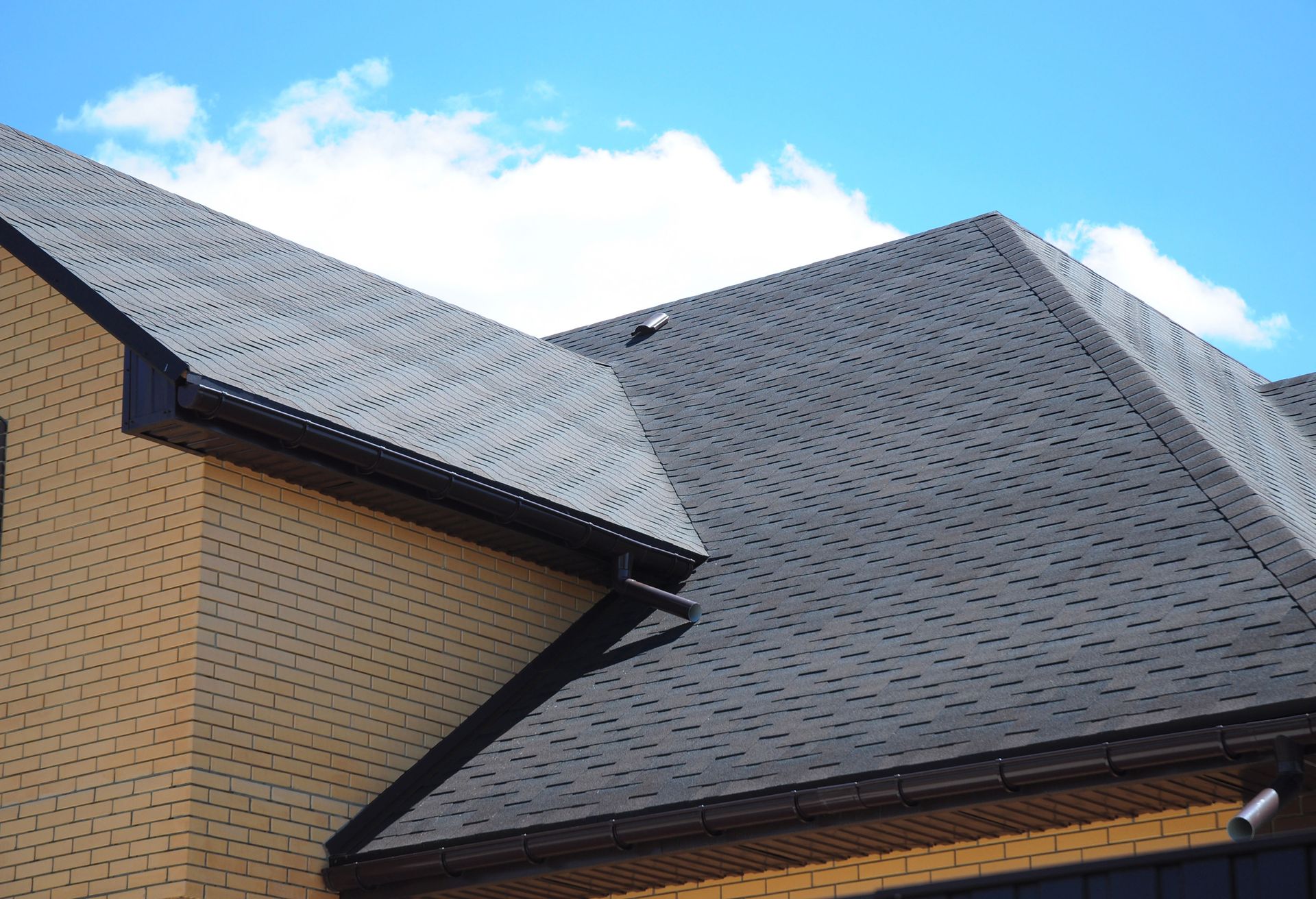
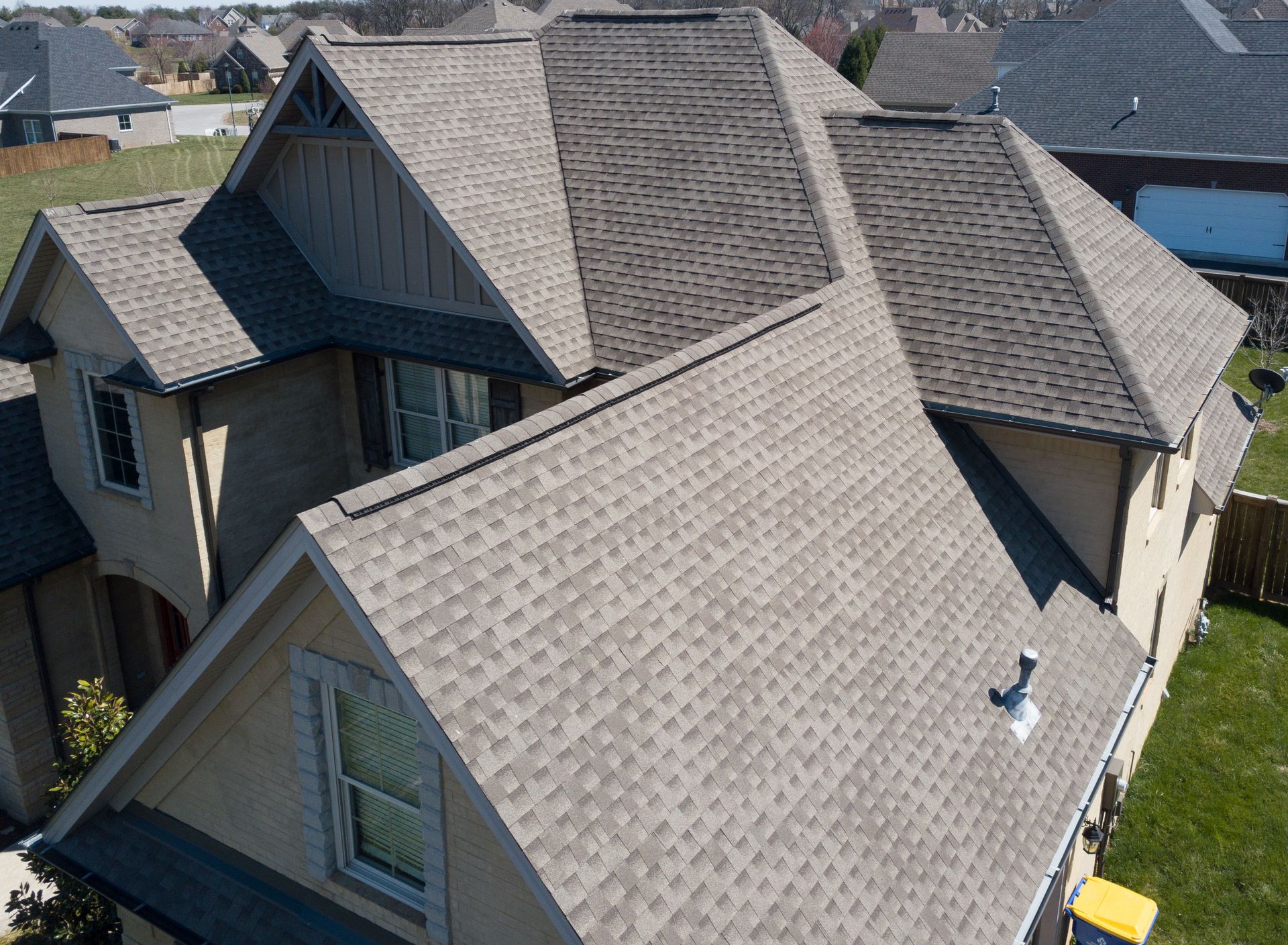
Asphalt shingles are known for their cost-effectiveness, making them a popular choice for businesses looking to economize their roofing project. The material and installation costs are relatively low compared to other roofing options, providing a durable surface without breaking the budget. Asphalt shingles typically last between 15 and 30 years, offering a good lifespan given their affordability. They are widely available and come in various styles and colors, allowing versatility in design without additional expense. A roofing company may recommend asphalt shingles for businesses that want dependable performance at a lower upfront cost.
Balancing Cost and Weather Resistance
However, the economic advantages can sometimes come with trade-offs in terms of durability against extreme weather conditions. Asphalt shingles may be less resistant to high winds or severe storms, which could lead to increased repair costs in harsh climates. Yet, for many businesses in temperate zones, they continue to offer a practical balance of economy and performance. Their widespread use also means that installation and repair personnel are commonly available, keeping labor costs competitive. Therefore, businesses considering asphalt shingles should weigh local climate conditions against the material’s cost-saving advantages with guidance from an experienced roofing company.
Durability and Lifespan of Asphalt Shingles
1.2. Durability and Lifespan
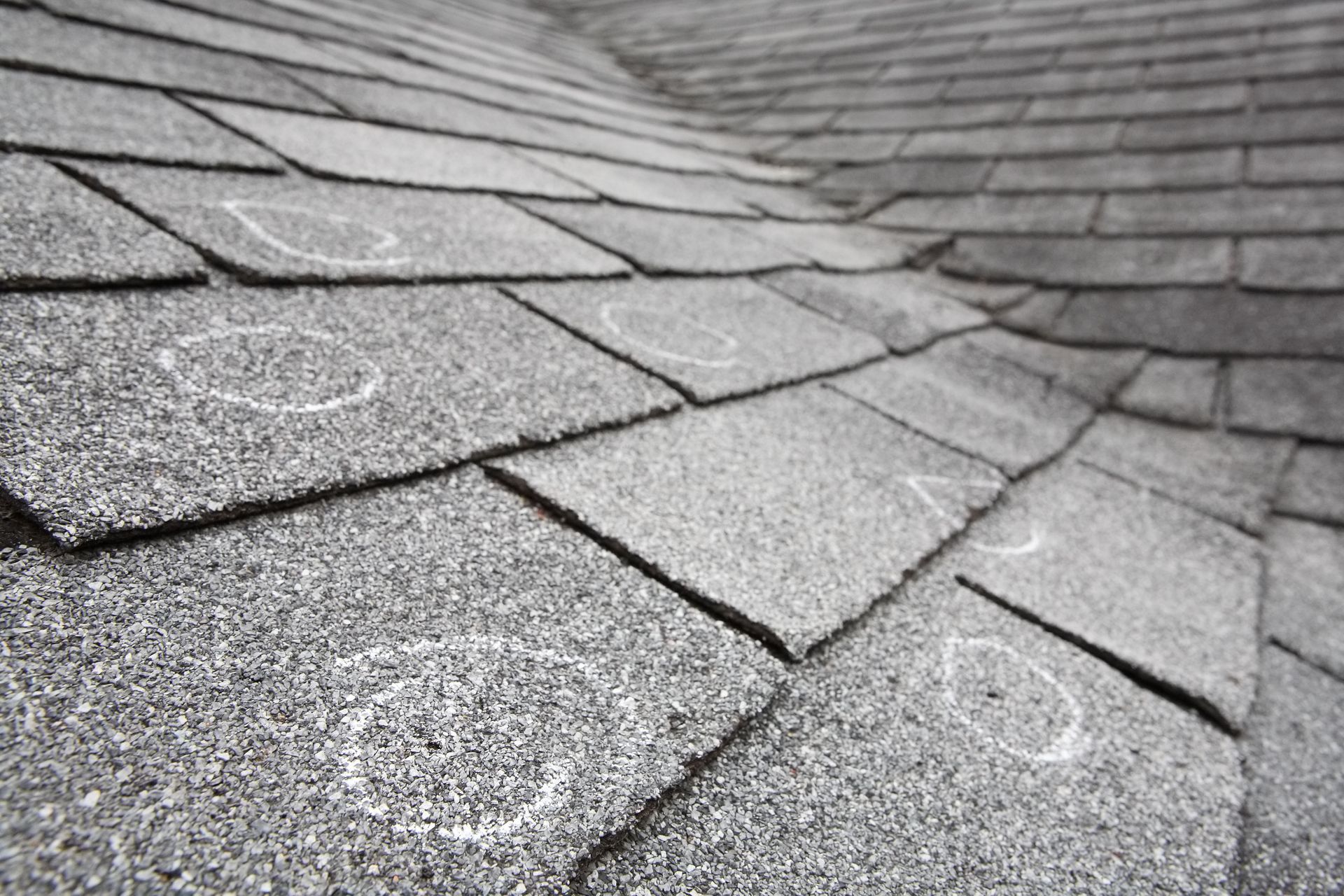
Despite being one of the more affordable options, asphalt shingles offer a respectable level of durability, suitable for various climatic conditions. They are engineered to resist damage from wind, rain, and UV rays, making them suitable for diverse geographic locations. However, their lifespan can be significantly influenced by the quality of installation and maintenance practices. In optimal conditions, asphalt shingles can last up to 30 years, but heavy storms or improper maintenance can reduce this span. For longevity, it's crucial that businesses choose a roofing company that provides professional installation services and regular roof maintenance.
Maintenance Requirements for Asphalt Shingles
1.3. Maintenance Requirements
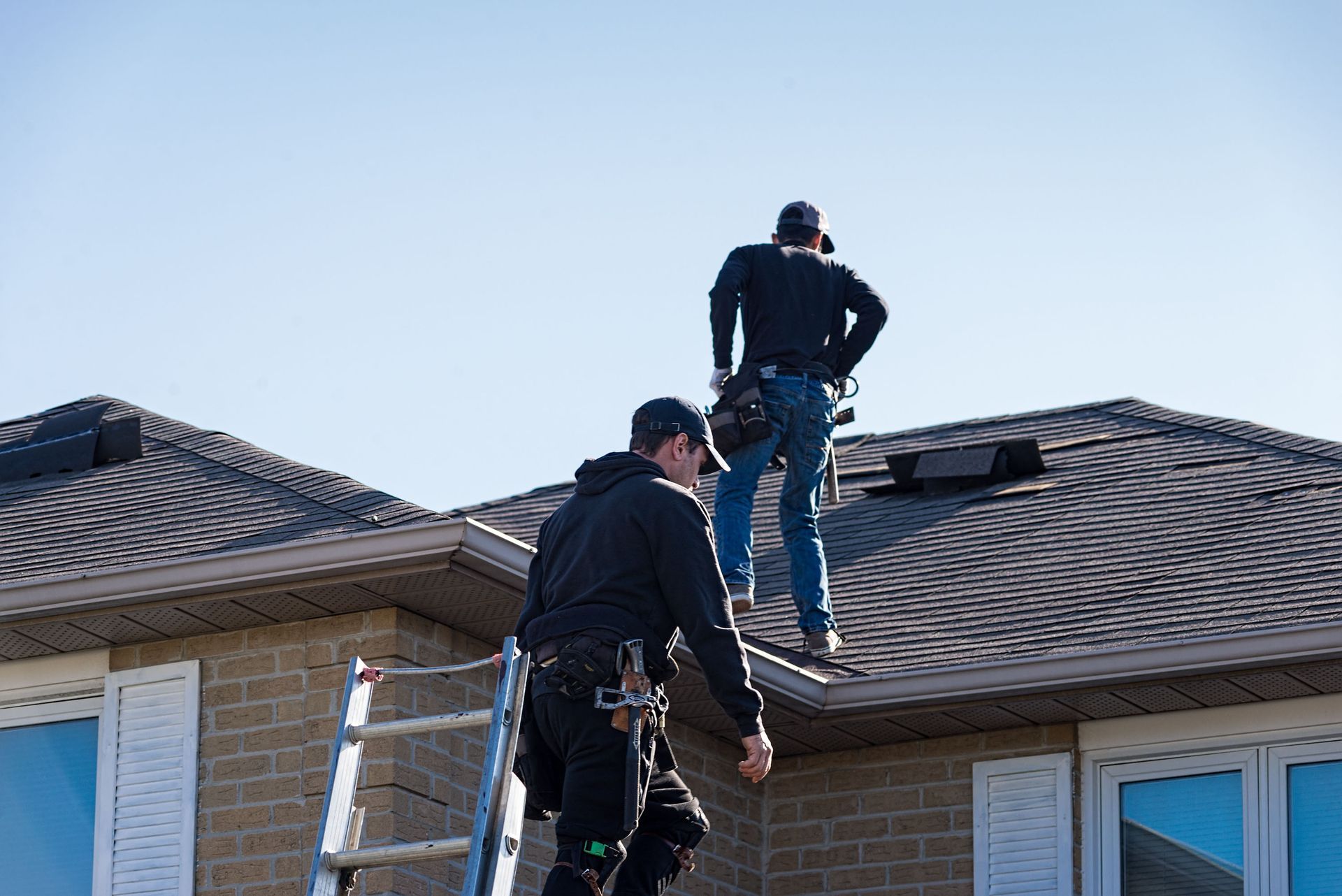
Maintenance for asphalt shingles is straightforward, often requiring only periodic inspections and minor repairs. Regular maintenance can prevent issues such as moss growth or granule loss, common in older shingles. Business owners should conduct bi-annual inspections to check for signs of wear or damage, which can preemptively address minor problems before they escalate. Maintaining clean gutters and proper ventilation is important to prolonging the life of asphalt shingles. A roofing company can also handle thorough inspections and minor touch-ups to support the roof’s condition and performance over time.
Metal Roofing Benefits
2.1. Longevity and Durability
Metal roofing stands out for its exceptional longevity, with materials such as steel, aluminum, and copper lasting 40 to 70 years. This longevity is coupled with high durability, granting excellent resistance to harsh environmental conditions including wind, rain, and fire. Metal roofs are constructed to withstand temperatures that might compromise other materials and are therefore trusted for their resilience in various climates. Innovations in coating and treatment technologies continue to enhance the lifespan and performance of metal roofs. Many businesses turn to a roofing company for help deciding whether metal roofing is the right long-term investment.
Energy Efficiency Advantages of Metal Roofing
2.2. Energy Efficiency
Metal roofs are highly regarded for their energy efficiency, thanks largely to their reflective properties that minimize heat absorption. During hot weather, unlike traditional roofing materials that can trap heat, metal reflects solar energy, which can significantly reduce cooling costs. This energy-saving characteristic makes metal roofing particularly desirable in sun-intensive climates where persistent heat can translate into escalating energy expenses. Businesses benefit from lower operational costs due to reduced air conditioning usage, contributing to a better bottom line. A roofing company may suggest metal roofing for businesses focused on cutting long-term energy expenses.
Weather Resistance of Metal Roofing
2.3. Weather Resistance
Weather resistance is a hallmark feature of metal roofing and constitutes one of its strongest attributes. Metal roofs provide substantial protection against a range of adverse weather conditions, including heavy rain, strong winds, snow, and hail. They are engineered to offer superior resistance, thereby reducing the likelihood of water and wind-related damage. This durability makes metal roofing an asset in assorted geographic settings prone to severe weather occurrences. For businesses in demanding climates, a roofing company may view metal as one of the most practical materials available.
Flat Roofing Systems Overview
3.1. Suitability for Large Surfaces
Flat roofs are particularly advantageous for commercial buildings and industrial spaces due to their suitability for large, expansive surfaces. These roofing systems make efficient use of space, allowing for additional installations such as HVAC systems, solar panels, and rooftop gardens. The structural simplicity of flat roofs often makes them easier and quicker to install than their pitched counterparts. Furthermore, flat roofs provide a degree of accessibility that simplifies routine maintenance and inspections. A roofing company can help businesses maximize the benefits of flat roofing while planning for drainage and maintenance needs.
Flat Roofing Installation and Maintenance
3.3. Installation and Maintenance
The installation process of flat roofs necessitates meticulous planning and expertise to support optimal performance and longevity. Proper installation requires accurate material selection and precise layering to create a water-resistant barrier that protects the underlying structure. Flat roofing systems require careful attention to drainage solutions due to the lack of natural water runoff associated with flat designs. Incorporating adequate drainage, such as scuppers and internal drains, prevents water from pooling, which would otherwise pose significant risks to structural integrity. Partnering with a skilled roofing company is especially important when installing or maintaining a flat roofing system.
Working with a professional roofing company can make the process far more straightforward. With expert guidance, proper installation, and ongoing maintenance, you can extend the life of your roof and protect your investment for years to come. If you're ready to upgrade or install a new commercial roof, contact an experienced roofing company today to get started with a solution tailored to your business. Contact Kpro Roofing & Renovation today to learn more.