March 10, 2026
Your roof is one of the most critical components of your home, acting as the first line of defense against the elements while also influencing curb appeal and overall property value. Over time, however, even the sturdiest roofs will experience wear and tear. Whether it's the result of extreme weather, aging materials, or unforeseen accidents, roof damage is inevitable. Recognizing the early signs and understanding what type of repairs are necessary can save homeowners considerable expense and stress. Being informed about the different repair options, the right materials, and the professionals who can perform the work ensures that your home remains safe, functional, and visually appealing.
Roof repairs are not just about fixing visible damage; they are an investment in the longevity and stability of your home. Minor issues like cracked shingles, loose flashing, or small leaks can quickly escalate if left unaddressed, potentially compromising insulation, structural integrity, and even indoor air quality. Weather events such as storms, hail, and strong winds can exacerbate these problems. According to Roofing SEO Agency, non-catastrophic wind and hail damage claims now account for 25% of all roof claims. These incidents highlight that even less severe weather can create costly issues that require timely attention. Addressing problems promptly can prevent long-term damage, improve energy efficiency, and maintain the overall value of your property.
Recognizing Signs of Roof Damage Early
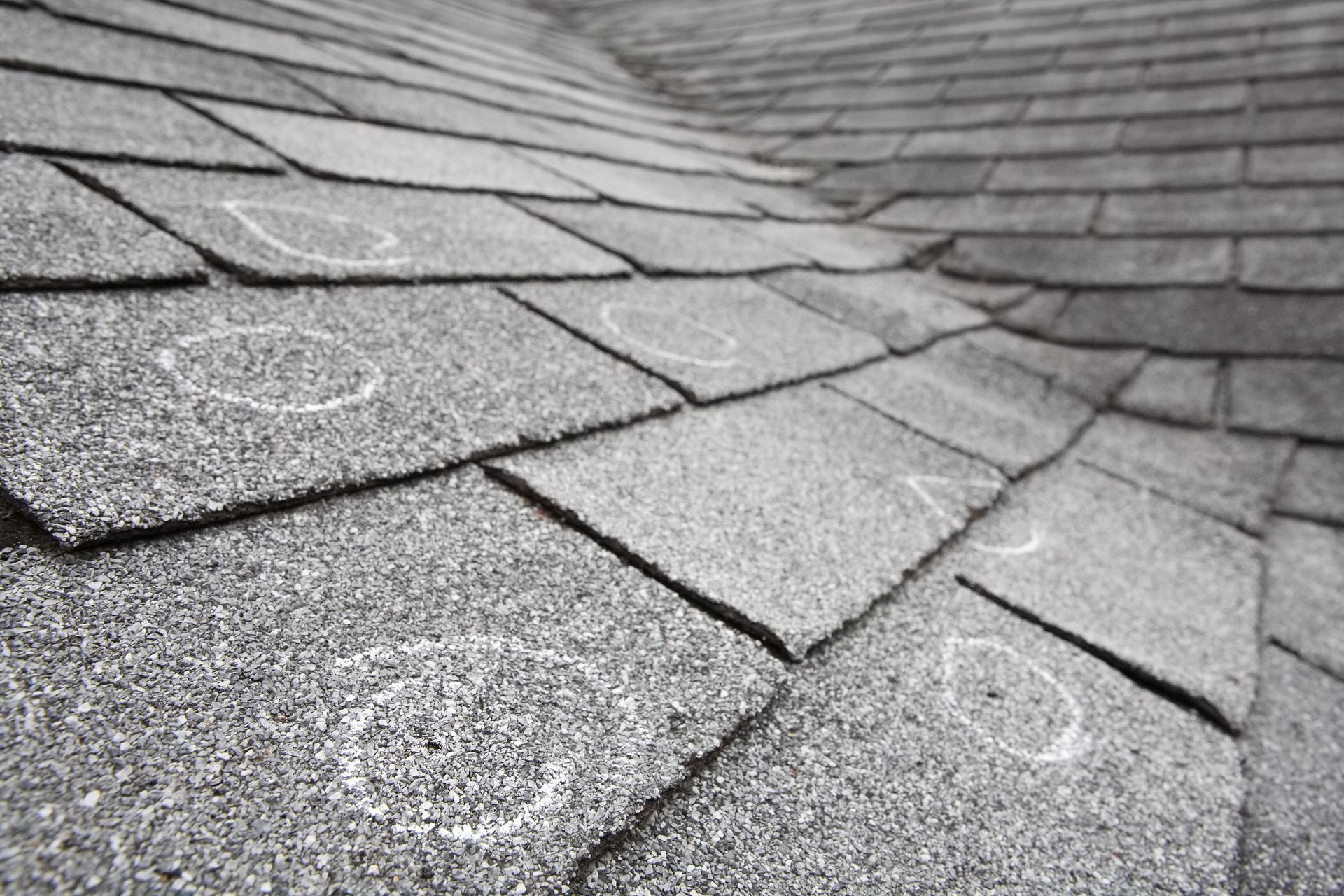
Roof damage can take many forms, each with unique implications for repair and maintenance. Weather-related incidents such as hail, wind, and heavy rain can compromise shingles, underlayment, and flashing. Even subtle signs like missing granules from shingles, moss growth, or curling edges can indicate that your roof is aging or sustaining damage. Homeowners who understand these indicators are better equipped to address issues before they worsen, ultimately preventing more extensive and expensive repairs. Regular visual inspections, particularly after severe weather, can make a significant difference in long-term roof performance.
Interior signs are often the first indication that something may be wrong with your roof. Water stains on ceilings, walls, or around vents may suggest leaks, while unusual increases in heating or cooling costs could signal inadequate insulation caused by roof damage. Unexplained drafts or damp odors are additional clues that moisture may have penetrated the roof's protective barrier. By monitoring these internal signs, homeowners can detect and address problems at an early stage, reducing the risk of more severe damage.
The impact of local climate conditions cannot be underestimated. Continuous exposure to sun, rain, snow, or wind contributes to the gradual deterioration of roofing materials. Snow and ice can form ice dams, trapping water and leading to leaks, while high winds may lift or tear shingles. Being aware of the specific weather challenges in your region allows homeowners to prioritize repairs, choose appropriate materials, and implement preventative measures that extend the roof's lifespan.
Researching Qualified Roof Repair Services
Selecting a roof repair service requires careful research to ensure quality results. One of the first steps is verifying credentials, licenses, and insurance coverage. Licensed contractors demonstrate that they meet local and state requirements for safety and construction standards. Insurance coverage protects homeowners from potential liabilities such as property damage or injuries during repairs, providing peace of mind throughout the project.
Experience and specialization are equally important when considering roof repairs. Contractors who have worked with specific roofing materials, such as asphalt shingles, metal, or tile, are better equipped to address unique challenges. Understanding a company's history with local climate conditions, code requirements, and repair techniques can result in more efficient and long-lasting repairs. Combining experience with credentials and feedback allows homeowners to select a service provider capable of delivering reliable results.
Comparing Roofing Materials and Repair Options
Choosing the right roofing material is essential for both aesthetics and durability. Asphalt shingles are widely used for their affordability and ease of installation, making them a popular choice for many homeowners. Metal roofing offers enhanced longevity and superior resistance to weather-related damage, though initial costs are higher. Tile and slate roofs are prized for their durability and visual appeal, though they require a stronger underlying structure and professional installation.
Each material has its advantages and disadvantages. Asphalt shingles are easy to repair but can be more susceptible to wind and hail damage over time. Metal roofing withstands severe weather and reflects heat efficiently, but may require soundproofing to reduce noise. Tile and slate provide long-term durability but involve higher upfront costs and more complex repair processes. Evaluating these trade-offs alongside budget, climate, and desired aesthetics helps homeowners make informed decisions.
Beyond cost and performance, sustainability is an important consideration. Metal roofs are often recyclable and energy-efficient, while recycled shingles reduce environmental impact. Factoring in these considerations ensures that roof repairs are both durable and aligned with long-term investment goals.
Prioritizing Safety, Compliance, and Project Planning
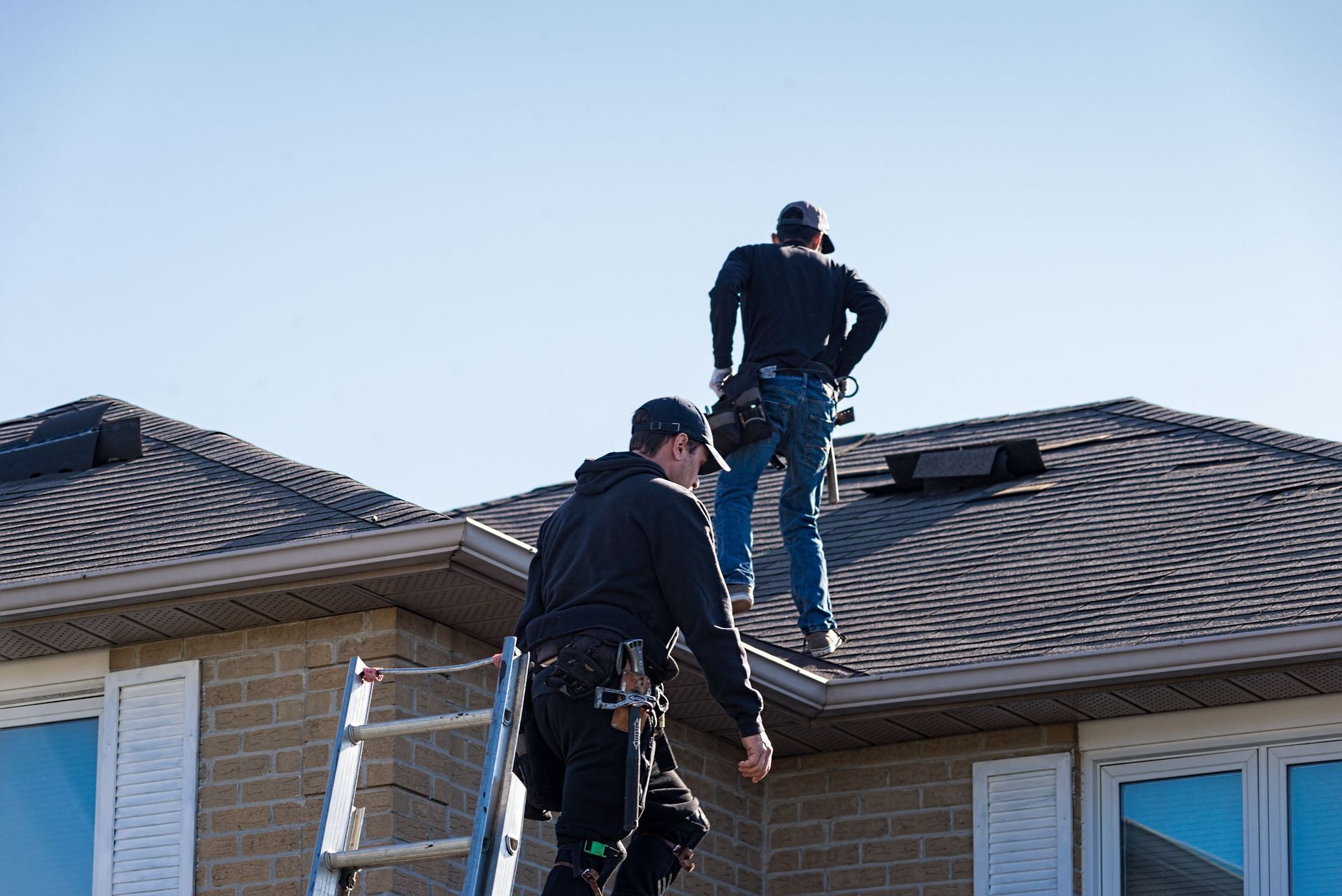
Safety is a key concern in any roofing project due to the inherent risks of working at heights and handling heavy materials. Professional contractors follow established safety protocols, using harnesses, helmets, guardrails, and non-slip footwear. Protective measures such as tarps or fencing also minimize potential damage to landscaping and surrounding property during roof repairs.
Compliance with building codes and permitting requirements ensures legal and structural integrity. Municipal regulations cover materials, installation methods, ventilation, and energy-efficiency standards. Contractors familiar with local codes can navigate permitting processes efficiently, preventing costly fines or delays. Insurance coverage further protects homeowners from financial liability for accidents or property damage during the repair process.
Project planning and communication are critical for minimizing delays and maintaining quality. A typical repair project begins with a thorough inspection to identify damage and determine required materials. Contractors then schedule work based on weather, crew availability, and project scope. Clear communication, including updates on progress or unexpected challenges, keeps homeowners informed and helps manage expectations. After repairs are completed, ongoing inspections and maintenance further extend the roof's longevity.
Considering Post-Repair Maintenance
After repairs are completed, consistent maintenance is key to prolonging the life of your roof. Routine inspections, particularly following storms or seasonal changes, allow homeowners to detect and address minor issues before they escalate. Clearing debris, cleaning gutters, and checking for loose or damaged shingles are simple yet effective ways to maintain roof performance.
Evaluating the effectiveness of repairs involves both visual and functional assessments. Signs of successful repairs include the absence of leaks, proper alignment of shingles, and stable indoor temperatures without unusual energy spikes. Monitoring these indicators over time confirms that the repair work has restored the roof's protective and functional qualities.
Finding the right
roof repairs requires diligence, research, and careful planning. By recognizing early signs of damage, understanding the types of repairs and materials available, and selecting qualified service providers, homeowners can protect their property and investment. Taking a proactive approach prevents small issues from escalating and ensures the long-term stability and appearance of the roof.
Planning repairs with safety, compliance, and post-repair maintenance in mind strengthens the outcome of any roofing project. Regular inspections, timely maintenance, and attention to warranty terms extend the life of your roof while maintaining its functionality and value for years to come. If your roof shows signs of wear, storm damage, or aging, schedule a professional inspection today with Kpro Roofing & Renovation.